Insured Plant Health Care Florence Region
Learn about the Vital Services Delivered by a Professional Arborist to Ensure Tree Health
A professional arborist offers a range of services vital for maintaining healthy trees and improving landscapes. Their expertise in tree pruning stimulates development and reduces risks. They also assess and handle tree diseases, making sure personalized treatments are in place - Florence Arborist. Additionally, arborists handle safe tree removals and can assist with planting and transplanting. Their role becomes even more crucial during urgent times such as storm damage. Knowing these services can profoundly influence one’s approach to tree care
The Value of Tree Pruning
Although many homeowners might ignore the importance of tree pruning, it plays an essential role in maintaining the health and aesthetics of trees. Proper pruning assists trees in building a robust structure, taking away dead or sick branches that could create hazards. By selectively trimming branches, the tree can direct its energy on healthy growth, encouraging improved air flow and sunlight penetration. Additionally, pruning can boost the aesthetics of the tree, shaping it for aesthetic appeal in residential landscapes.
Moreover, regular pruning can avoid possible dangers, such as falling branches during storms or high winds, which could damage property or injure individuals. It also aids in the prevention of pest outbreaks and diseases by enhancing the tree's hardiness. Ultimately, retaining expert arborist services for tree pruning guarantees that trees remain healthy, safe, and aesthetically appealing, greatly contributing to the overall beauty and value of the property.
Identifying and Treating Tree Diseases
Tree health can be considerably affected by different illnesses that may not always be readily apparent. A professional arborist plays an essential role in identifying these issues promptly, utilizing a combination of visual inspections and testing equipment. Symptoms such as unusual leaf coloration, wilting, or irregular growth shapes often indicate hidden health problems. Arborists examine these indicators to determine exact ailments, whether fungal, bacterial, or viral in nature.
Once diagnosed, the professional designs a bespoke care program. Such a strategy might incorporate focused interventions, such as chemical controls, and maintenance techniques that enhance tree resilience. Furthermore, proper watering, the application of mulch, and fertilization can considerably improve the vitality of the tree and ability to fight off illness. Regular monitoring and subsequent care are critical to successful control, securing the long life and vigor of the trees. By taking a proactive approach to tree diseases, arborists help maintain the beauty and ecological benefits of thriving trees.
Secure Methods for Tree Extraction
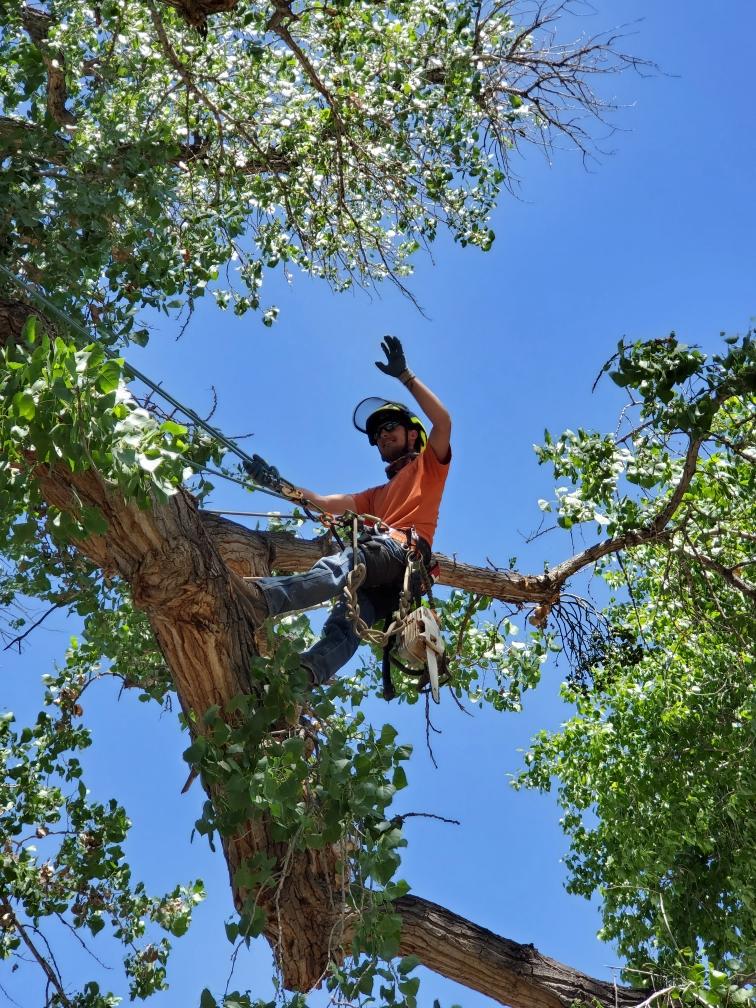
Proper tree felling methods are critical for securing safety and minimizing damage to adjacent areas. Expert tree specialists conduct a thorough assessment of the state of the tree, its location, and the surrounding environment prior to starting the extraction. Arborists use specific tools, such as rigging equipment and chainsaws, to make clean incisions and control during the felling process.
A carefully designed extraction plan includes identifying potential hazards, such as structures or overhead wires, which can impact the safety of the operation. Tree specialists frequently employ a method known as "sectional dismantling," in which the tree is taken apart in smaller segments, reducing the risk of falling debris.
In addition, arborists adhere to local rules and standards to ensure adherence and environmental stewardship. Once the tree is down, proper cleanup and disposal of the remaining wood and brush, stump removal being included, contribute to the overall safety and aesthetics of the property.
Planting and Transplanting Trees
Planting and transplanting trees demands close attention of site selection and installation methods to ensure future vitality and growth. The right location can greatly impact a tree's development, and correct installation techniques minimize stress and promote successful establishment. Tree specialists highlight these elements as vital for boosting the health and lifespan of trees in various settings.
Choosing the Right Location
Choosing the right location for planting or transplanting trees is essential for their future development and vitality. Factors such as soil quality, the amount of sun, and water runoff must be thoroughly assessed. Tree care professionals assess the site's characteristics, to guarantee that the planting location provides adequate nutrients and stability for the specific tree type. In addition, the proximity to existing structures and surrounding flora is critical to stop the fight for nutrients and avoid potential damage. Arborists also consider the tree’s full-grown dimensions and root system, ensuring sufficient space for growth. Via an in-depth assessment of the location, these professionals assist customers choose wisely that encourage strong, successful trees, which boosts the landscape’s beauty and environmental worth.
Proper Techniques for Installation
After the location is thoroughly evaluated and chosen, the next step involves using optimal methods for planting trees. Proper preparation of the planting hole is vital; it should be twice the width of the root ball and no deeper than the root system itself. It is necessary to set the tree in the hole so that the crown of the root mass is even with the adjacent ground. Refill using the original dirt, checking that all voids are filled, and soak the area well to encourage early root growth. Applying mulch at the bottom helps retain moisture and keep weeds down. Florence Arborist. If moving mature plants, it is crucial to limit damage to the roots and transplant during dormancy for the best chance of survival. Implementing these practices fosters healthy growth and long life
Emergency Response to Storm Damage

After powerful weather events occur, the resultant conditions may leave trees in dangerous states, posing risks to property and safety. Certified tree experts are crucial in crisis management, assessing trees harmed by the storm to gauge their soundness and condition. Their knowledge enables them to determine which trees are recoverable and which are serious, instant risks that require extraction.
Armed with the right gear, tree experts are able to securely trim fractured limbs and clear debris, preventing subsequent injury to adjacent property. Arborists also offer helpful guidance on risk mitigation, such as choosing sturdy types of trees for subsequent landscaping.
Apart from the initial cleanup, professionals guide property owners through the potential long-term effects of storm damage, providing advice for restoration and healing. Through quick and expert tips effective action, professional arborists not only protect property but also contribute to the restoration of the local environment once the tempest has passed.
Tree Nutrition and Earth Maintenance
In the wake of storm damage, attention turns to the health of remaining trees, emphasizing the necessity of nutritional support and ground care. A professional arborist evaluates soil conditions and tree health to figure out specific nutritional needs. Trees require key nourishment, such as nitrogen, phosphorus, and potassium, to bounce back and flourish post-stress incidents.
Soil management is crucial for nutrient availability and the growth of roots. Arborists may recommend ground improvements, including organic matter, to improve the ground's composition and microbe function. The correct pH balance are also checked, as they impact nutrient uptake.
Incorporating mulching techniques can keep the ground moist and prevent weed growth, making a suitable condition for tree recovery. With a detailed feeding regimen and implementing effective soil management strategies, arborists guarantee trees regain strength, resilience, and overall health, a factor essential to keeping the environment stable in the wake of ecological disruptions.
Frequently Asked Questions
When Should My Trees Be Checked?
Trees should ideally be inspected once a year for optimal condition. However, checking them more often might be required for younger trees, following harsh storms, or if any signs of distress or disease are observed.
What Expertise is Needed in an Arborist?
When seeking an arborist, one should look for credentials like ISA (International Society of Arboriculture) accreditation, proven track record, adequate protection, and a strong reputation locally, ensuring expertise in tree care and safety practices.
Are There Specific Tools Arborists Use for Tree Care?
Arborists utilize a range of unique equipment for tree care, such as chainsaws, pruning shears, climbing gear, and stump grinders. Each tool serves a specific purpose, ensuring effective maintenance, pruning, and tree extraction and boosting total well-being and safety.
What is the Influence of Climate on Tree Health?
The climate significantly affects tree health; excessive rain can lead to root rot, while dry spells put strain on trees. Extreme temperatures can damage leaves and branches, which affects development, durability, and total vitality of the trees.
Can I Perform Tree Care Myself, or Should I use a professional service?
Although certain simple tree maintenance jobs are manageable by homeowners, it is usually recommended to hire an expert - Florence Arborist. Specialists are equipped with unique expertise and gear, ensuring that trees receive the appropriate care required for peak growth and vitality